Related: Best Electric Scooter Upgrades for a Texas Commute
Every scooter and every scooter part I buy has to survive the same 14 miles: my apartment to the office, across the Congress Avenue bridge, in whatever Austin decides the weather is doing that day. I have ridden that loop more than 900 times. I have blown two controllers, patched four tubes, and replaced a deck. So when I look at a commuter electric scooter, or at the small parts that keep one alive, I am not reading the box copy. I am looking at watt-hours, tire type, controller quality, and whether the thing will still be rolling in August.
Range claims are the first thing I throw out. A range number printed on a box was measured with a 120 lb rider, no wind, a fresh charge, and a flat test loop. I weigh 185 lb, and my commute has a bridge in the middle of it. The only battery number I trust is watt-hours, and the only range number I trust is the one I get myself.
This guide covers four things people ask me about constantly: two scooters that sit in the commuter lane, a battery protection board that fixes a very specific failure, and a cover for the kind of battery bank people keep outside. Two of them are rides. Two of them are the unglamorous stuff that decides whether the ride makes it to work.
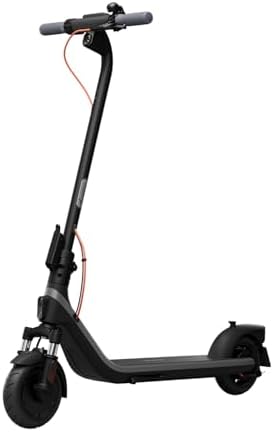
The Commuter Baseline: Segway Ninebot E2 Plus II / E2 Pro / E3 Pro
The Ninebot E2 family is the closest thing to a default answer in the commuter lane, and the reason is not top speed. It is the certification. UL 2271 covers the battery and UL 2272 covers the electrical system, and a scooter carrying both has been put through abuse testing that no-name brands will not pay for. I have owned a scooter whose controller died at 9 PM and smelled like burnt toast. Certification is not marketing. It is the difference between a machine that fails safely and one that fails in your hallway.
The dual braking system matters more than any speed figure on the listing. Two independent braking systems mean that when one cable stretches or one pad wears down, you still have a way to stop. On a commuter you touch the brakes every single ride, and it is the feature people think about last.
Foldable matters for a different reason: stairs. A scooter you cannot carry up three flights is a garage ornament. The E2 and E3 frames fold at the stem, which is the difference between parking it next to your desk and chaining it outside in the rain.
What I would check first is not printed on the front of the box. Ask for the watt-hours. Find out whether the tires are tubed or tubeless, because tubed tires on a commuter are a maintenance subscription. Then look at the weight with the battery in it and imagine carrying that up your stairs after a long day.
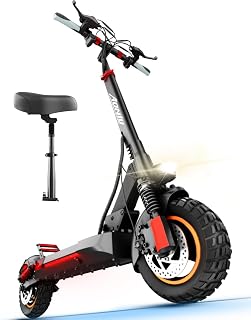
The Off-Road Curious Option: M4 Electric Scooter for Adults
The M4 is listed as an off-road scooter for adults that is also meant for commuting, and that pairing deserves an honest look. Austin pavement is not smooth. There is chip seal on the side streets, tree roots lifting the bike lane on Rio Grande, and gravel where a road shoulder gives up. Bigger, treaded tires genuinely help there, and a taller, wider platform is more stable when you hit a patch of loose gravel at speed.
The trade is weight and rolling resistance. Off-road hardware is heavier hardware, and heavier scooters are slower to accelerate and worse on stairs. Before you buy anything in this category, find the folded weight, then decide whether your commute ends at a bike rack or at the bottom of a staircase. That single question eliminates more scooters than any spec sheet argument.
The other thing to check is the motor and the controller together. Peak watts printed on a box is a party trick that lasts two seconds. What matters is whether the scooter can hold speed up a sustained grade without voltage sag turning a 50 percent battery into a 20 percent ride. If your route includes a bridge, a hill, or a parking garage ramp, climb performance is the first test, not the last.
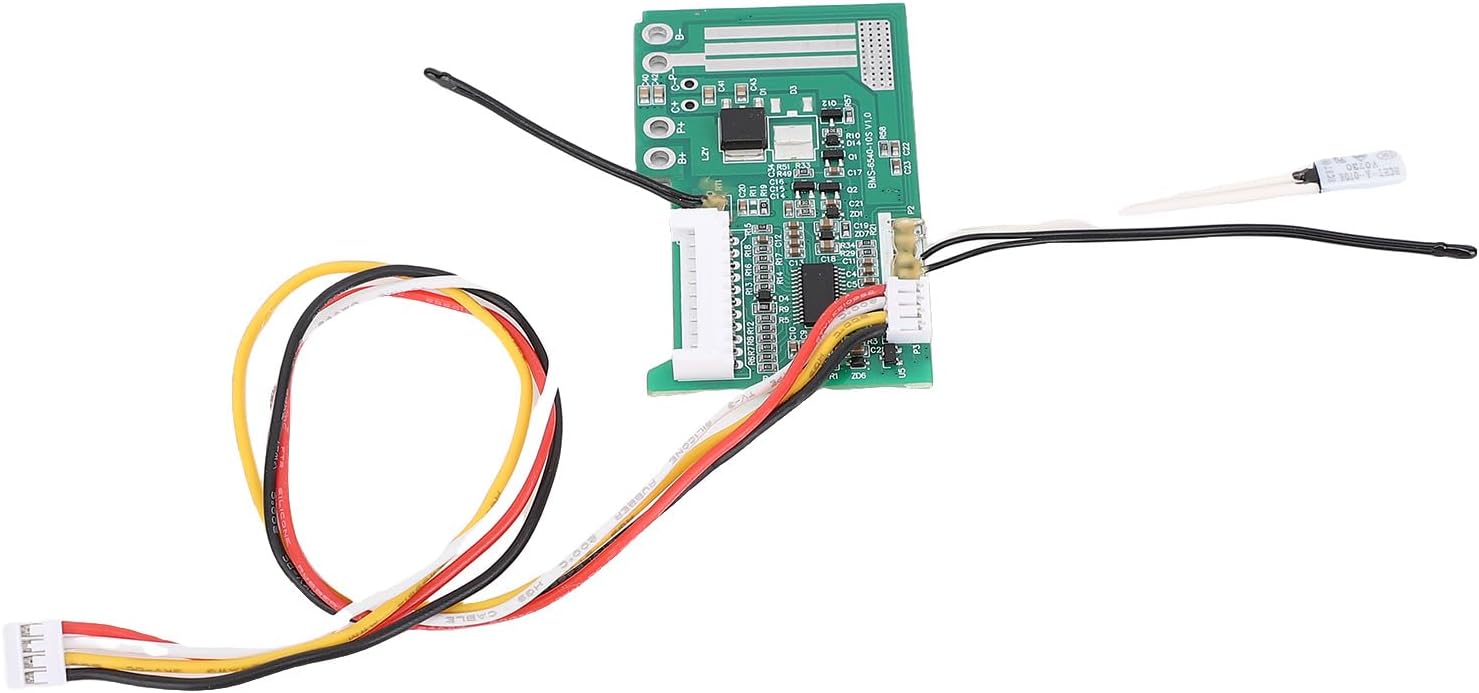
The Part That Keeps a Scooter Off the Scrap Heap: Yoidesu Battery Protection Board
Not every product in a commuter kit is a ride. This is the one that keeps a ride from becoming scrap metal. The protection board is the battery management system, the circuit that balances the cells, manages charging, and cuts power before the pack damages itself. Cheap scooters cheap out here first, because nobody can see it from the outside.
When a protection board fails, the symptom is almost always the same: the scooter stops charging, or it charges and then refuses to turn on. Most people assume the battery is dead and start shopping for a whole new scooter. That is an expensive conclusion to reach when the fix is a board swap.
The honest compatibility note: this board is built for the Segway Ninebot F30 and F40, so it does not fit the E-series scooters covered above. If you own an F30 or F40 and it has gone quiet, this is worth pulling the deck and checking before you spend scooter money on a part that costs a fraction of one.
The Outdoor Storage Piece: EcoFlow DELTA Pro Generator Cover
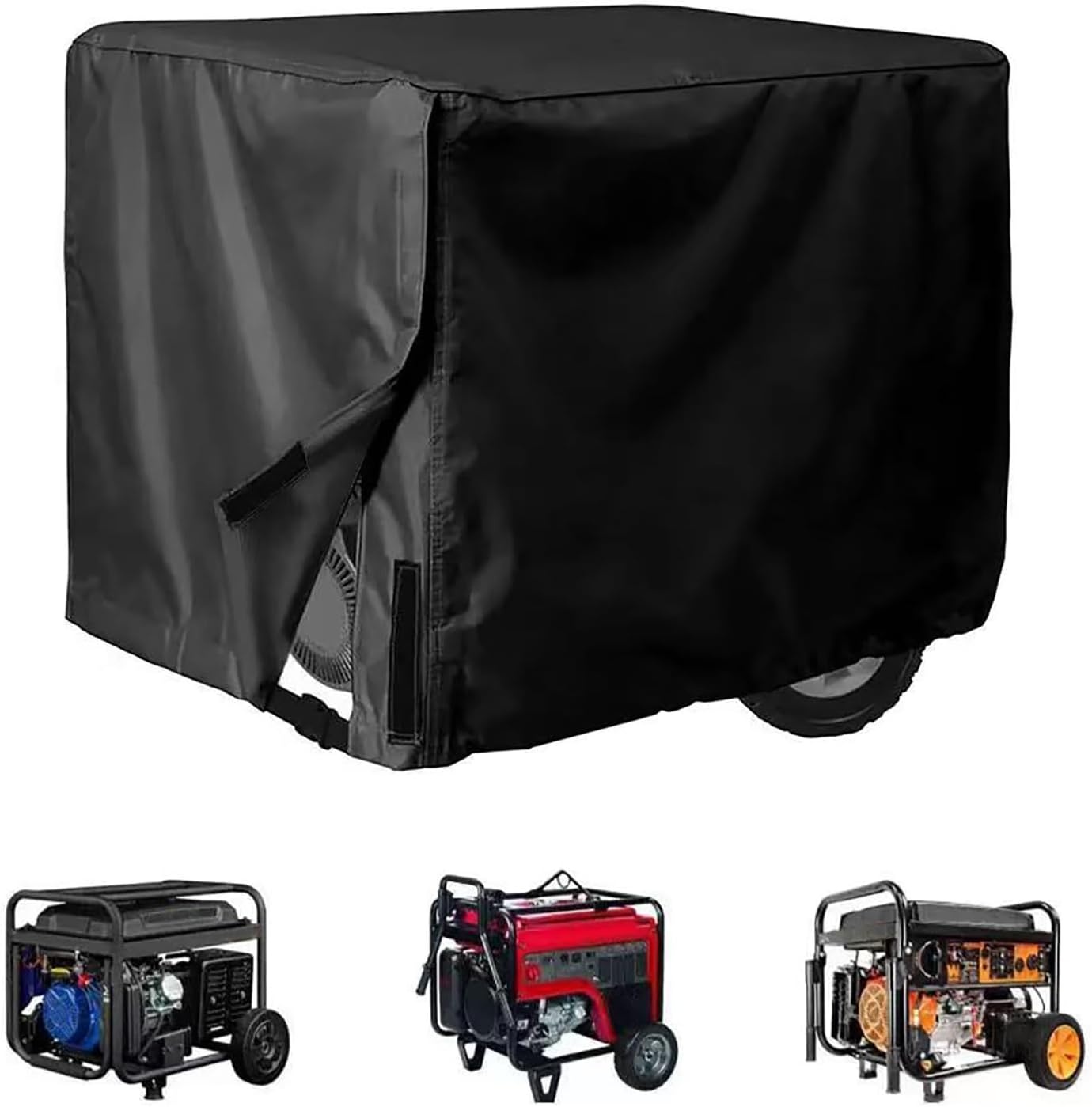
This is a cover for a large power station, not for a scooter, and I am not going to pretend otherwise. It belongs in this guide because outdoor storage is where a lot of battery gear quietly dies, and the logic is identical whether the battery is in a scooter deck or in a DELTA Pro sitting on a patio.
The listing covers DELTA Pro units from 2021 through 2026, in heavy duty Oxford fabric that is water resistant against rain, snow, and dust. That last word is the one people skip. Dust and grit work their way into vents and ports, and condensation does the rest. A cover does not make a unit weatherproof, but it stops the direct water and the blowing grit, which is most of the damage.
Before you order, measure the unit you actually own, including handles and any cables left connected. A cover that fits loosely will flap in a Texas storm, and a cover that is too tight will trap moisture against the housing. Same rule as tires: check the fit, not the marketing.
How I judge a scooter before I recommend it
I run the same checklist on everything, and it has nothing to do with how the scooter looks in photos.
- Watt-hours, always. Amp-hours are marketing math, and voltage times amp-hours is the only honest capacity figure.
- Hill climb at my actual weight. If it cannot get over the Congress Avenue bridge without sagging, the downhill speed is irrelevant.
- Tires. Tubed or tubeless, and how much I will hate changing them in August.
- The controller. Sustained full throttle is what kills cheap ones, and a dead controller means a long walk home.
- Carry weight. Three flights of stairs is the real test, not the spec sheet.
- Brakes and certification. Two independent braking systems and a real UL listing are worth more than 3 extra mph.
- Water resistance. IP54 is rain-safe-ish. Anything less is a fair-weather toy.
The reference table
Same products, same order, with the one thing to check before you commit.
| Product | What it is | Best for | What to check first |
|---|---|---|---|
 Visit on Amazon → Visit on Amazon →Segway Ninebot E2 Plus II / E2 Pro / E3 Pro |
Foldable commuter scooter, dual braking, UL 2272 and 2271 certified | Daily pavement commuting and errands | Watt-hours, tire type, folded weight |
 Visit on Amazon → Visit on Amazon →M4 Electric Scooter for Adults |
Off-road leaning scooter listed for commuting | Broken pavement, gravel cut-throughs, longer routes | Folded weight and sustained climb ability |
 Visit on Amazon → Visit on Amazon →Yoidesu Battery Protection Board |
Replacement battery management board for Segway Ninebot F30 and F40 | Reviving an F30 or F40 that stopped charging | Confirm your model and match the connector |
 Visit on Amazon → Visit on Amazon →EcoFlow DELTA Pro Generator Cover |
Water-resistant Oxford fabric cover for DELTA Pro units | Outdoor and garage storage of a large power station | Measure your unit including handles |
The table is deliberately boring. Boring is what you want in a commuter, because the exciting version of a scooter is the one that strands you.
What the specs actually tell you
Certification is the most underrated line item in this category. A dual braking system is a redundancy plan, and a UL 2272 listing plus a UL 2271 battery listing means the machine has been tested as a system, not just assembled from parts. That is the difference between a scooter that fails gracefully and one that becomes a story you tell at the ER.
Battery management is the second one. Nobody photographs a protection board, and yet it is the component that decides whether a pack lasts three years or eighteen months. Cell balancing is not glamorous, but an unbalanced pack loses capacity long before it loses chemistry, and that is why a scooter that used to do your whole loop suddenly cannot.
Weather protection is the third. Rain riding is survivable with a decent IP rating, but storage is where people lose the battle. A cover is cheaper than a battery. So is a dry spot in a hallway. If you have neither, you are paying for a replacement eventually.
Should you buy the Segway Ninebot E2 Plus II / E3 Pro?
Yes, if your commute is pavement and your storage is indoors or on a rack. It is the model line I would hand to someone who wants a commuter scooter that has already been through third-party electrical and battery testing, and the dual braking system is the kind of feature you only appreciate once. Ask for the watt-hours and the tire type before you buy, then plan on checking your PSI weekly. I say that knowing full well I average about once a month.
Should you buy the M4 Electric Scooter for Adults?
It depends on your route and your stairs. If your commute includes rough shoulders, gravel, or badly maintained pavement, the off-road hardware is a real benefit and the extra weight is a fair trade. If your route is smooth and your storage is three flights up, that same weight becomes the reason you leave it locked outside. Buy it for the terrain, not for the look.
Should you buy the Yoidesu Battery Protection Board?
Yes, if you own a Segway Ninebot F30 or F40 and it has stopped charging or stopped turning on. Diagnose before you replace the whole scooter, because a board is a small fraction of what a new ride costs, and a dead board is one of the most common reasons a working scooter gets abandoned. Just confirm your model first, because this board does not fit the E-series scooters above.
Should you buy the EcoFlow DELTA Pro Generator Cover?
Yes, if a DELTA Pro lives outside or in a dusty garage. Rain, snow, and grit are the enemies, and a fitted Oxford cover handles all three. It will not fix a bad storage location, and it is not a scooter cover, but it is the cheapest insurance you can buy for a battery bank that costs many times more than the cover does.